Let's be straight with each other, getting a customer to buy once is not the hard part. Running ads, offering a discount, catching someone at the right moment with the right product... that works. What's genuinely difficult is getting them to come back a second time, a fifth time, a fiftieth time.
That's what Customer Lifetime Value (CLV) is really about. It's not a vanity metric. It's the number that tells you whether your business is actually building something, or just running on a hamster wheel of acquiring new customers to replace the ones who disappear.
In this guide, we're breaking down exactly how Shopify merchants can improve CLV in practical, tested ways, and how a tool like WebPlanex's Loyalty Wallet fits into that picture.
First, What Is CLV and Why Does It Matter?
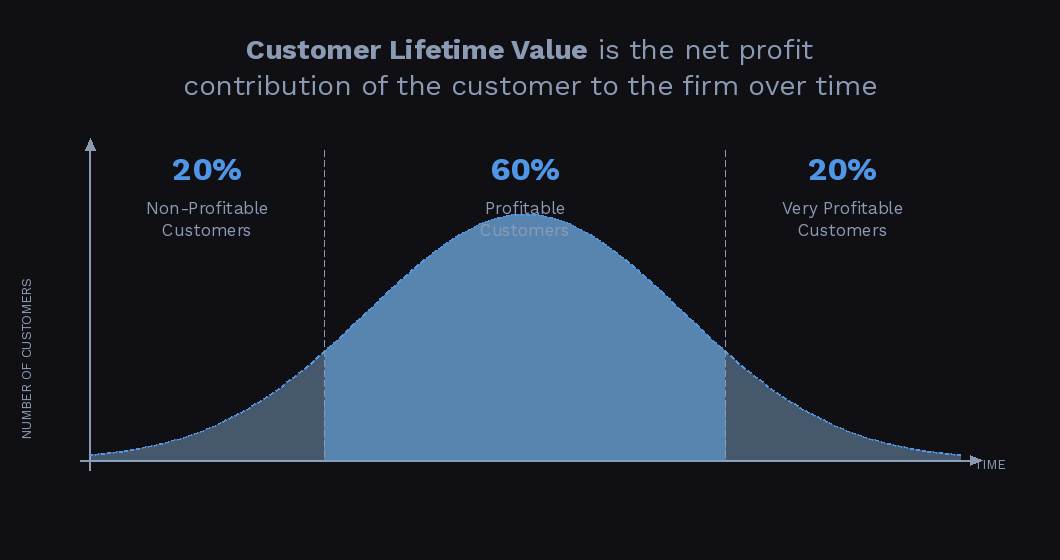
Customer Lifetime Value means the total amount a customer spends with you, from day one until they leave. You figure it out like this: take their average order size, multiply by how often they buy in a year, then multiply by how many years they stick with your business.
Now, why does this actually matter? Well, it costs way more, sometimes five to seven times more, to get a new customer than it does to keep someone coming back. When you boost your CLV, you’re not just making more money. You’re getting more out of every marketing dollar you’ve already spent.
The Real Reasons Customers Don't Come Back
Before you can fix the problem, it helps to name it honestly. Here's what bothers new customers and why customers are walking away:
- They forgot about you — no memorable post-purchase experience
- There was no reason to return — no loyalty benefit, no exclusive offer
- The first purchase felt transactional, not personal
- A competitor gave them a better deal or a better reason to stay
- They felt like just another order number
Most of these are fixable. And fixing them starts with one principle: give people a reason to look forward to buying from you again.
7 Practical Ways to Boost CLV for Your Shopify Store
A good Shopify store focuses on how to increase customer lifetime value, for linear growth and customer experience. Here are some ways to boost CLV:
1. Build a Rewards Structure That Actually Incentivizes Loyalty
Points programs have been around forever, but the ones that work aren't complicated, they're consistent. Customers respond to earning something real with every purchase. The problem with most point systems is that the perceived value is fuzzy. What does 500 points actually get me?
WebPlanex's Store Cash model sidesteps that confusion by giving customers real currency, a dollar amount credited back to their wallet. They see the number. They know what to do with it.
That directness drives behavior. When a customer knows they have $8 sitting in their wallet, they think about your store the next time they need something. That's the psychological trigger that repeat purchases are built on.
2. Reward Beyond Purchases: Recognize the Whole Customer
Great loyalty programs don’t just see customers as wallets, they see them as people. Celebrating birthdays, anniversaries, or even the first review a customer leaves shows you’re paying attention. With Loyalty wallet, you can set up automatic rewards for all kinds of things: signing up, leaving a review, sharing something on social, you name it. Every time you reach out like that, you build a stronger connection, and you don’t have to do it all by hand.
3. Use Store Credit to Handle Returns Differently
Here's one that most merchants overlook: how you handle a return is a massive CLV moment.
Refunding back to a card is expected. But offering store credit, especially with a small bonus on top, changes the dynamic entirely. Instead of ending the customer relationship, you're extending it. The customer still has money connected to your brand.
Store credit on Loyalty Wallet is designed exactly for this. It encourages future repeat purchases without the awkward feeling of "we won't give you your money back."
4. Launch a Referral Program That Rewards Both Sides
Word-of-mouth works better than anything else when it comes to getting new customers, and it’s way cheaper than paying for ads. A solid referral program just gives that a little structure.
The trick is to make sure both the person referring and the new customer actually get something worthwhile. If the reward’s too small, people just ignore it. If it’s too easy to cheat, you end up with folks just trying to score freebies instead of real customers.
Loyalty Wallet's referral system is built with this balance in mind, it's easy enough for real customers to use and structured enough to prevent misuse. When existing customers bring in new customers who then convert and return, your CLV compounds on both sides.
5. Segment Your Customers and Communicate Accordingly
Treating customers the same is a fast path to feeling generic and boring. People who shopped with you a dozen times in two years aren’t like those who made a single purchase a year and a half ago. Dive into your order data and split your customers into three groups: high-frequency buyers, give them rewards, and keep them engaged. Then you’ve got mid-tier customers, and finally, the lapsed ones. Reach out to those last two groups with offers made just for them.
6. Personalized Post-Purchase Experience
The window right after someone buys is underused by most stores. That's the moment to reinforce their choice and seed the next purchase.
When you send someone an email after they buy something, don’t just say, “Thanks for your order.” Show them their wallet balance, give a heads-up about rewards coming their way, or tease something connected to what they just picked up.
7. Make the Wallet Experience Seamless
A rewards program that's hard to use doesn't get used. They won't manually apply codes if the process is not smooth. Friction is the enemy of redemption, and redemption is what keeps people engaged.
WebPlanex's Store Cash Wallet is designed to be visible and easy. Customers can check their balance from their account page, generate a discount code with a single step, and apply it at checkout.
A Note on the Setup
One of the more common hesitations merchants have around loyalty programs is the setup burden. The good news with Loyalty Wallet is that it genuinely requires no coding. You can build your reward structure, customize what it looks like, and launch it without touching a line of code.
There's a free plan for stores handling up to 50 orders per month, which makes it accessible for stores that are still finding their footing. As you grow, the paid tiers scale with you.
The app is built specifically for Shopify, which means the integration is clean rather than bolted on. If you're already running on Shopify, the operational lift is lower than you might expect.
Conclusion
CLV isn't something you improve through a single campaign or a one-time discount. It's built over time through the accumulated experience customers have with your brand — whether they feel valued, whether returning is easy, whether your store is worth coming back to.
Rewards programs, when executed well, are one of the most reliable tools for shaping that experience. They give you leverage at the moments that matter: post-purchase, at re-engagement, and when a customer is deciding between you and someone else.

.png)